

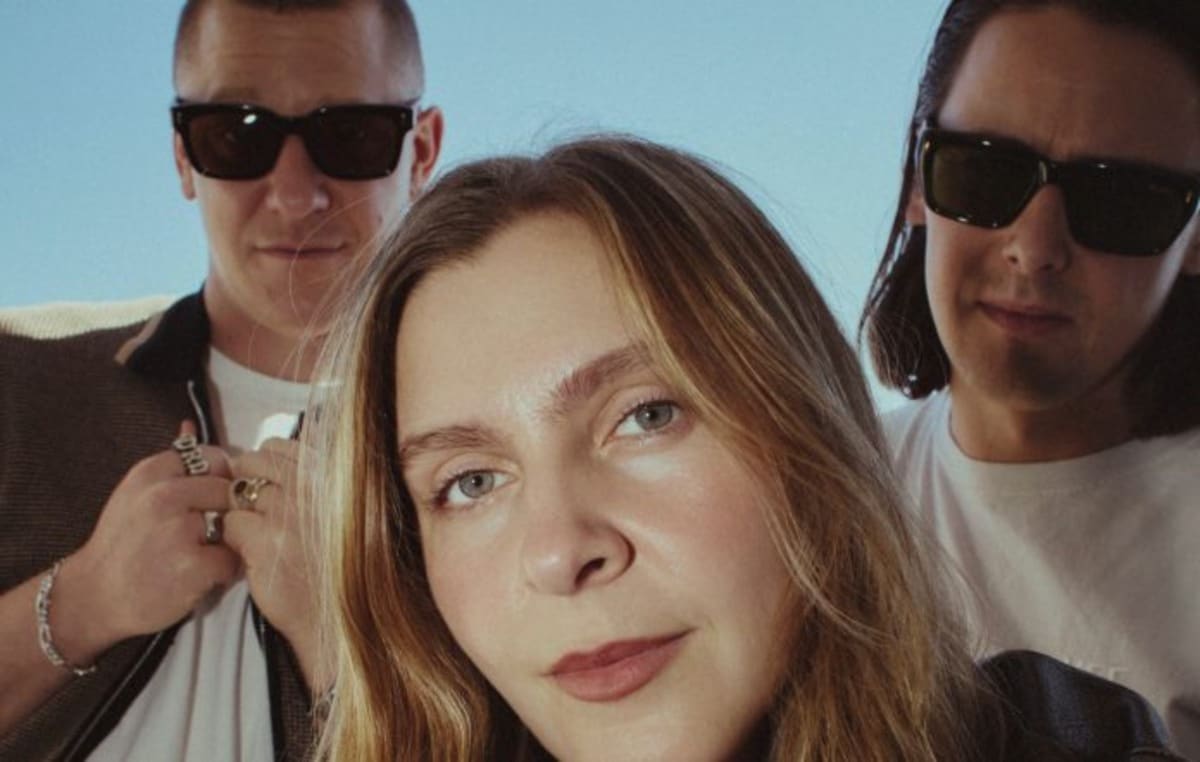

Through their Aug. 14 release, Sunshine, London-based trio Jungle spreads realism-tinged hope while channelling core ‘70s styles and summery tropical sounds.
The 11-track project’s simple, beachy elements are its strongest, even when the group takes on a funky, retro-club feel or soulful disco palette.
“Come Back to Me” establishes this ambient, island feel in cadence and instrumentation. Muffled conversations and whistling make the song feel like it’s playing in the background at a beach party.
The track’s bassline and percussion are dense without distracting from Lydia Kitto’s breezy vocals. These three elements rhythmically intermingle with lines of bright strumming.
Similarly, title track “Sunshine” effectively demonstrates the simple structures and melodies that show up across the album. Its appeal relies on repetition, a sky-high mood, and one of Jungle’s distinctive funk bass lines.
Tom McFarland, Josh Lloyd-Watson, and Kitto all seem to contribute vocals, but too many of Kitto’s are pitch-adjusted. The main chorus hook, “Was supposed to feel like sunshine, loving with you,” contains a patchy mix of style elements and erratic vocal tones.
“Where Are You Now?” dumps the choppiness of “Sunshine” and amplifies its shiny, tropical glow. The sunny-sounding chorus encourages listeners not to run away from the hard, “rain”-filled moments because they end in a “sunlight graze upon your roof.”
In the verses, however, Kitto’s own backing vocals cancel her main lines out, turning her otherwise glassy tone into a murky, brassy wall of sound in need of lower harmonies.
As a result, keyboard flourishes and lap steel lines carry the track, emphasising well-executed note sequences in the verses.
Kitto opts for a more expressive, careful, and less overwhelming tone on “Move Like You Do,” a loop-filled soul-funk song with a flashy feel. Jungle channels a ‘70s disco club-rooted sound, which feels both dated and refreshed.
Despite recycling its initial backing vocal patterns and extensively used pitched-up lines, “Romeo II” offers something even fresher.
The track features Bas, an up-and-coming rapper who contributes commanding modern rap to its 2000s RnB-reminiscent sound.
The backing vocals on this track are some of the album’s best and suit its genre blend; however, like the higher-pitched flourishes, they overpower its simple lyrics and main vocal lines.
“Carry On” continues the string of standout tracks with the most vulnerable lyrics and curated instrument lineup so far.
Kitto uses smooth, clean, and well-balanced vocals; their wailing quality makes disheartening lyrics like “no one’s ever made me feel this helpless” and “all you do is break my heart, are you ever coming home?” more emotionally impactful.
Light strings accentuate every word, while prominent funk percussion and bits of choppy woodblock fill in behind them.
This instrumental experimentation doesn’t end with “Carry On;” Jungle pairs a range of crystalline marimba tones with an infectious, joyful guitar groove on “The Wave.”
Kitto’s vocals receive an echoing, pingy effect, which complements the trio’s overall light, airy, and lush singing. The lyrics are fittingly reassuring and optimistic but somewhat inaudible.
Like “The Wave” and most of the album’s songs, “Someday, Somewhere” opens with a distorted, mushy version of the main melody.
The song becomes warm and serene with great movement. More of McFarland and Lloyd-Watson’s vocals are audible, bringing balance to longing, hopeful lyrics about one day having a harmonious relationship.
These warm, wistful lyrics morph into confident statements on “Natural.”
Through a lower register, Kitto gracefully provides descriptive lyrics over trap beats, such as “like an old pair of blue jeans, make me feel like a woman.”
A sensual, rich mood full of ‘70s Latin rock-rooted guitar feels like a welcome departure from Jungle’s strong commitment to a tropical sonic theme.
“Reflection” builds on the poeticism in “Natural,” but proves why the lyrically simple tracks on Sunshine stand out the most.
This song is reminiscent of the Bee Gees in its overall structure, with hints of Michael Jackson’s style scattered throughout. It overall feels like filler and is overstuffed with vague, sweet lines.
“Heavy on My Soul” resembles “Someday, Somewhere” in its airy serenity. Heartbeat-like percussion supports Kitto’s clearest vocals on the album, which unfold like one side of an honest dialogue until impressive, soaring lines carry the album to a close.
Sunshine lives up to its name through glimmers of good in production and performance, a breezy beach getaway energy, and its celebration of life’s imperfect joys.
However, the album is repetitive, lacks variation, and sticks to the safest form of the trio’s style and direct expressions of their ‘70s influences.
Each track feels diligently and skillfully overproduced, despite its simplicity. It delivers minimal unpredictable sparkle, making a danceable, tropical underscoring sound the biggest deciding factor of listener interest.
Fans with musical instincts will warm up to the shining moments, but most will feel as bittersweet about their first listen as this project’s lyrics.