

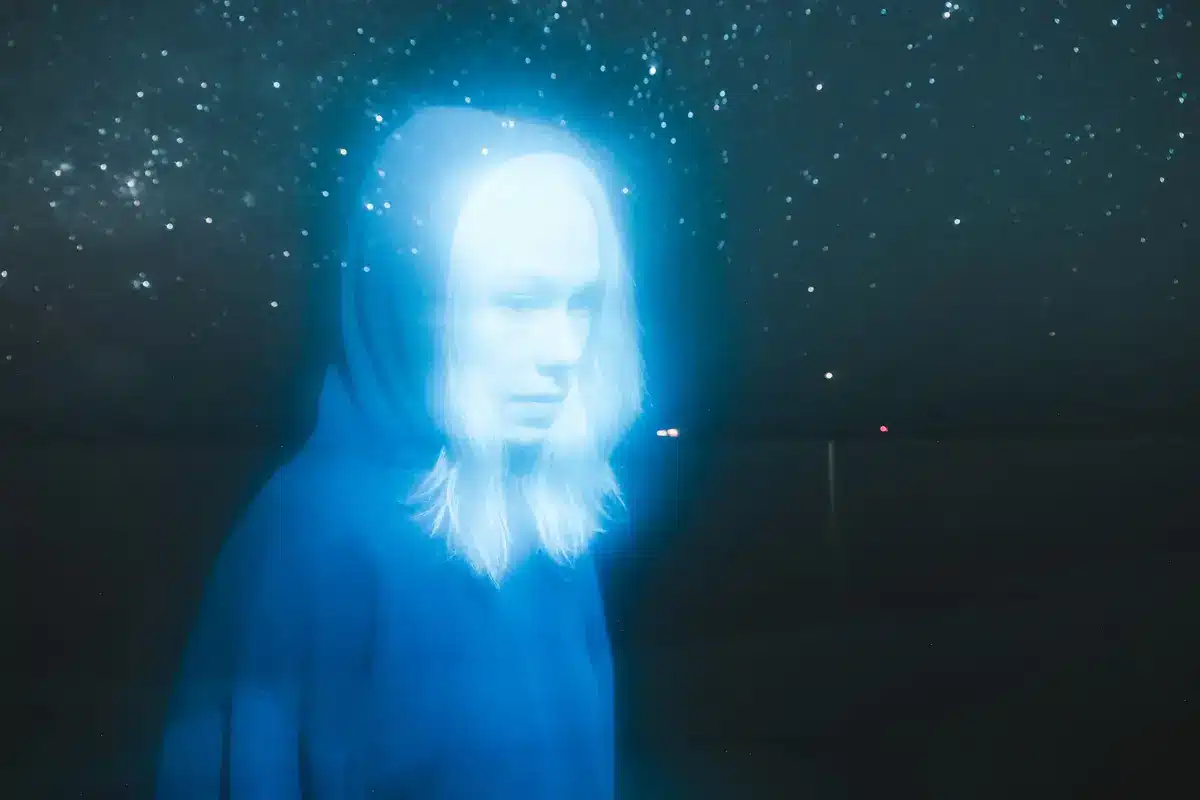

Phoebe Bridgers’ Aug. 14 release, Lost Weekend, tells a series of metaphor-filled, gossip-worthy personal anecdotes through witty quips and melodies straight from the stars.
Over its 16 tracks, the follow-up to her 2020 sophomore album Punisher gives listeners a glimpse into Bridgers’ private life.
Her stories centre on three significant people in her life: her recently deceased father, an ex-fiancé, and a new love she calls Bobby.
“The Outside” serves as one too-packed bookend that begins with an array of unsettling musical elements.
Through garbled and grating vocoded layers, Bridgers recalls moments from her father’s funeral; she describes the freeze that takes place after punching through a wall and “crying in a suit in tie,” emphasising an outside-looking-in perspective along the way.
The song’s high, driving pitch and quips, like “you should see the other guy,” progress into a cinematic piano-and bass-driven ballad.
The whole release carries a cinematic soundtrack feel, and standout single “Lost Boys” is no exception. Jack Antonoff, one of this album’s behind-the-scenes features, pairs his signature kicking percussion with Bridger’s weightless vocals.
Under its free-feeling sound, a dirty bassline accentuates lyrics about men with Peter Pan Syndrome, who “never grow up, never grow old.”
“Kill Me” brings down the mood with low, droning tones that often dip too low for Bridgers’ soprano voice. It’s a haunting listen full of steel pedal, strange strings, and odd mechanical sounds that work well together.
Listeners can easily get lost in the mix, an intentional choice cemented by Bridgers’ lyrics about getting lost at a party with someone who “tastes like a flower with chemical petals.”
In this and other tracks, her vocals get buried, losing their lyric-conveying efficacy until a somewhat jarring moment brings them back.
Through striking imagery and metaphors, “The Governor’s Waltz” portrays Bridgers as the belle of a twisted ball. Tight piano lines create the prim and proper side of the ambience while minor-key choral moments indicate rebellion and turbulence.
This contrast between twisted and sweet shines in “Bobby.” Bridgers portrays herself as fiercely, unsettlingly lovestruck; she suggests that she would kill her friends if he didn’t like them and intensely revels in little, romantic joys over indie-rock instrumentation.
“Lost Weekend” takes the opposite approach to describing deep romantic relationships; it’s a solemn, nostalgic reflection on Bridgers’ decision to call off her engagement and the flaws she sees in herself that kept the relationship from working.
The melody feels perfect and pretty at first, especially in the instrumental moments between chunks of lyrics, before glitchy, galactic elements and repetitive sighs give the song montage-like motion.
“Haunted” abandons this electronic sound in favour of a genre-bending approach; Bridgers combines stylistic elements from 2010s “stomp clap,” folk, and country. Soft yet jarring indie percussion crashes through last minute, creating a natural end to an almost underwhelming light listen.
Murkiness serves as the common thread between “Haunted” and “Panorama,” a dark, interlude-like song.
The track carries dissonance and an experimental mix of instruments. The instrumental introduction lasts half of the song before dreary piano lines cue in alternating whispery and vocoder-filled vocals.
After a stint of experimental moments, Bridgers’ signature cadence and ballad style flourish on “Still Standing.” It’s another easy listen fans could fall for, with a choral ending that could have been the song’s centrepiece.
This almost too-light track gives way to “Liberty Tree,” a clomping, folky song about Bobby. A strong percussive foundation, ethereal vocals, and overall upbeat energy paint vivid, positive pictures.
Bridgers is clearly in love, and the free feeling found in lines like “it feels so good to have you in my life” radiates from every beat.
“Never Going Back!” preserves this lifted energy and uses it for rebellion. Anthemic repetitions and a stomp-clap spirit drive the song, and with a “Woo!” a banjo solo and audio from a phone call come through to close out the short track.
“Other Plans” comes across as a softer take on the previous track’s subject matter.
Low vibrations carry the light thematic ballad, but the lyrics contradict its warped, airy instrumentation; Bridgers favours gory, blood-soaked symbolism, crafting images of shaking final girls and world creation.
This track’s only disappointing quality is that it ended too soon.
“Lost Parade,” another interlude-like track, features a marching band that fades in and out before it can make an impact.
“I Can’t Wait” feels similar to previous tracks, especially in references to night. The steel pedal and banjos make a return, this time accompanied by harmonica.
The second half shines because of a harmonious duet with “Bobby” himself, Bridgers’ partner and album collaborator Bo Burnham.
“As Above” begins less charmingly, with an enduring, eerie mood. Bridgers uses loose vocals that slide slightly out of pitch, accentuating a cold, dark tone that slowly becomes comforting.
The juxtaposing sounds support lines like, “I don’t wanna live forever, but I don’t wanna die.”
Toward the end, Bridgers is yelling and hard to understand, but her beloved quick key changes maintain attention as the supernatural song progresses.
The album closes with “Lost Weekend (Reprise),” which almost places the listener at her dad’s funeral. As the organ plays, Bridgers sings, “He’s not coming back as a bird. He’s not coming back.”
She makes fresh quips about fighting the wall and reflects on all that her dad taught her, almost cramming the intro into a reprise to bring things full circle.
The track cuts off abruptly in a cruel way, almost implying that life is unpredictable.
Lost Weekend feels immersive and cohesive in part because of striking, supernatural flourishes. Despite its slate of collaborators, the album was saturated in Bridgers’ style and storytelling.
While no songs were unpleasant, several lack the intrigue needed to stand up to a shuffle or hold their own outside of the album.
Despite this, Bridgers’ skillfully written arrangements made Lost Weekend and her personality shine like the brightest of stars.
