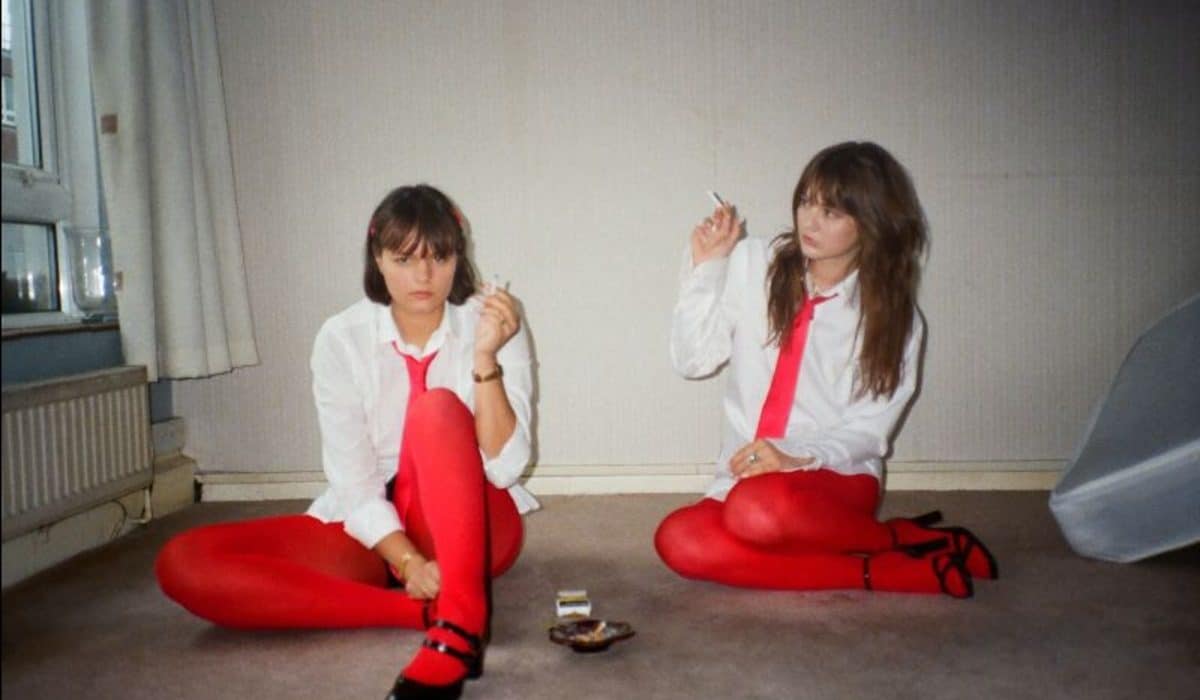

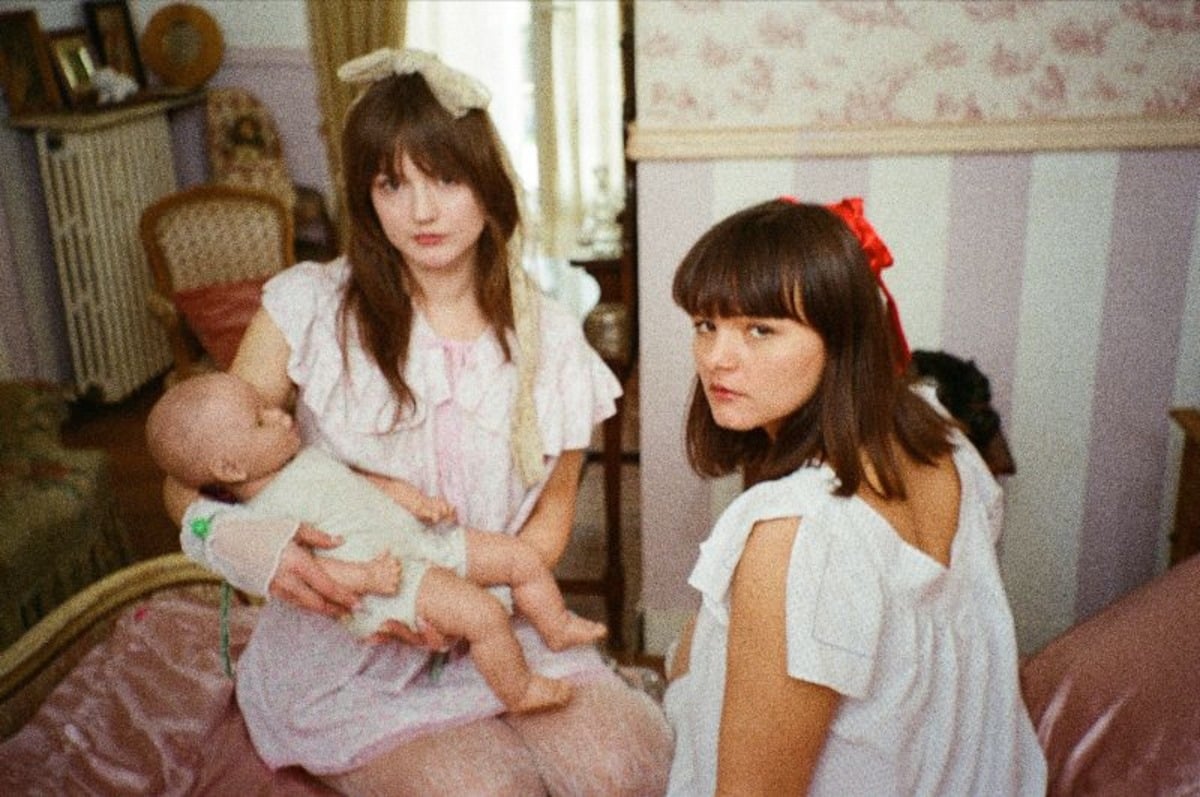

Real-life siblings Disgusting Sisters have announced their debut studio album, Skin & Blisters, scheduled for release on October 30th, 2026, via the iconic Anglo-French label Source Records. Alongside the album announcement, the duo has released their new single “Sorry Mister”, which premiered last night on Huw Stephens’ BBC 6Music show, and detailed an upcoming UK headline tour.
“Sorry Mister” is a sharp, witty indie-pop track that tackles the realities of navigating unwanted male attention on nights out. Anchored by the tongue-in-cheek refrain, “I don’t want to offend you, but I prefer my sister,” the song blends infectious melodies with a crowd-tested energy refined during the band’s recent live outings.
Of the single, the band describe,
“‘Sorry Mister’ is inspired by those nights out where you constantly find yourself trying to reject unwanted attention. As a woman you’re often taught to smile, apologise, and avoid offending anyone even when you’re uncomfortable. We love the irony of ‘Sorry, Mister’ because it plays on that contrast between politeness and the raw truth, celebrating female solidarity and the freedom to stop apologising for saying no.”
The track reflects the duo’s distinct songwriting style, which frequently pairs deadpan humour and absurdity with a mixture of electro and emo influences. The moniker itself is a dual nod to Succession’s “Disgusting Brothers” and the wicked stepsisters from Cinderella. Across the album’s 10 tracks, the sisters target themes ranging from bad exes and sugar daddies to the monotony of the 9-to-5 grind.
While Skin & Blisters was largely a self-contained DIY project, written and recorded alongside live bassist and producer James McManus, the duo also collaborated with producer Oli Bayston (Rachel Chinouriri, Barry Can’t Swim) to amplify their indie influences, drawing sonic inspiration from acts like Viagra Boys and Getdown Services.
The announcement comes during a period of significant momentum for the group, following a recent support slot with Two Door Cinema Club and early critical backing from The Guardian, DIY, Clash, and BBC Radio 1.